Featured
Table of Contents
These benefits consist of a boosted developer experience, greater technical versatility, seamless system interoperability, and the capability to profit from emerging opportunities. API-first isn't a one-size-fits-all service. Organizations that adopt a tactical method to APIs might not fully benefit from its advantages. Nevertheless, companies currently welcoming design-led API principles are well-positioned to shift to API-first, particularly if APIs are deeply incorporated into their operations.
An API-first technique is ideal for microservices architectures since it ensures application environments begin as modular and recyclable systems. By stressing APIs early on, the structure of API requests and information are highlighted. This enables the API to provide what designers need most and avoids spending developer time on features that later end up being unwanted.
For enterprises, APIfirst often means faster time to market since it's easier to update and alter backend services. In addition to increased production speed, taking an APIfirst method likewise produces more powerful software application. Designers can focus on style, as groups don't need to start from scratch and can reuse their APIs and code across projects.
How Next-Gen Tools Improve Visibility for Performance
Having higher control and exposure into the API makes it possible for groups to see both the API's existing state and future capacity. APIs are characteristically open, which provides them excellent ability, but it likewise suggests any designer can access the API.
Centrally specifying API security policies, and embedding that security throughout the entire API lifecycle, is necessary when producing an effective APIfirst design. And, with a securityfocused mindset, an APIfirst model can have an even more powerful security boundary than previous, codefocused models. You can discover more about the importance of guaranteeing your APIfirst technique doesn't become a securitylast vulnerability in the F5 blog Dish for Catastrophe: APIfirst with Securitylast Techniques.
With API Connectivity Supervisor, facilities groups can release highperformance API entrances and designer portals. And designers can quickly publish and manage APIs and documentation or find and onboard APIs into applications. API Connection Manager likewise makes it possible for APIfirst models by: Using the OpenAPI Spec to publish and immediately generate documentationProviding discrete work areas for groups to release and manage their servicesEmpowering developers to manage the lifecycle of their APIs and servicesAPI Connection Supervisor is a key part of the NGINX Secure API Connectivity solution, which supplies these benefits: Scalability Provide uncompromised efficiency, dependability, and security with NGINX Plus as an API gatewayObservability Display API traffic across groups and environments to determine setup mistakes and security threatsGovernance Ensure consistent oversight while empowering API designers to manage their APIs with finegrained controlsSecurity Defend APIs versus typical and innovative risks with out-of-the-box protection versus the OWASP API Security Top 10Start a 30day free trial of NGINX Management Suite, that includes API Connection Supervisor and Circumstances Manager.
Boosting User Engagement Via Advanced Interface Styles
By Janet Wagner Web APIs have been around for almost twenty years, but it is only in the past few years that the concept of "API initially" has gotten traction with software teams. The variety of designers taking an API-first method to building products is rising. So today we thought we would introduce you to the idea of API first and why this method is growing in prominence.
Establishing a contract involves investing more time believing about the style of an API. It likewise typically includes extra planning and cooperation with the stakeholders supplying feedback on the design of an API before any code is composed.
Humans take in information through applications, often from numerous different gadgets smartphones, laptop computers, tablets, and desktops. Numerous different types of devices suggest several screen sizes. Organizations needs to develop apps that look good and work well across all gadgets. APIs allow business to break down abilities into specific, self-governing services (aka microservices).
An API-first strategy permits organizations to build APIs that serve all applications, and applications can be established and maintained efficiently for all devices, platforms, and running systems. An API-first approach to building items offers many benefits, including however not restricted to: API initially includes establishing an agreement. Producing an agreement between services that is followed by groups throughout a company permits those groups to work on multiple APIs at the same time.
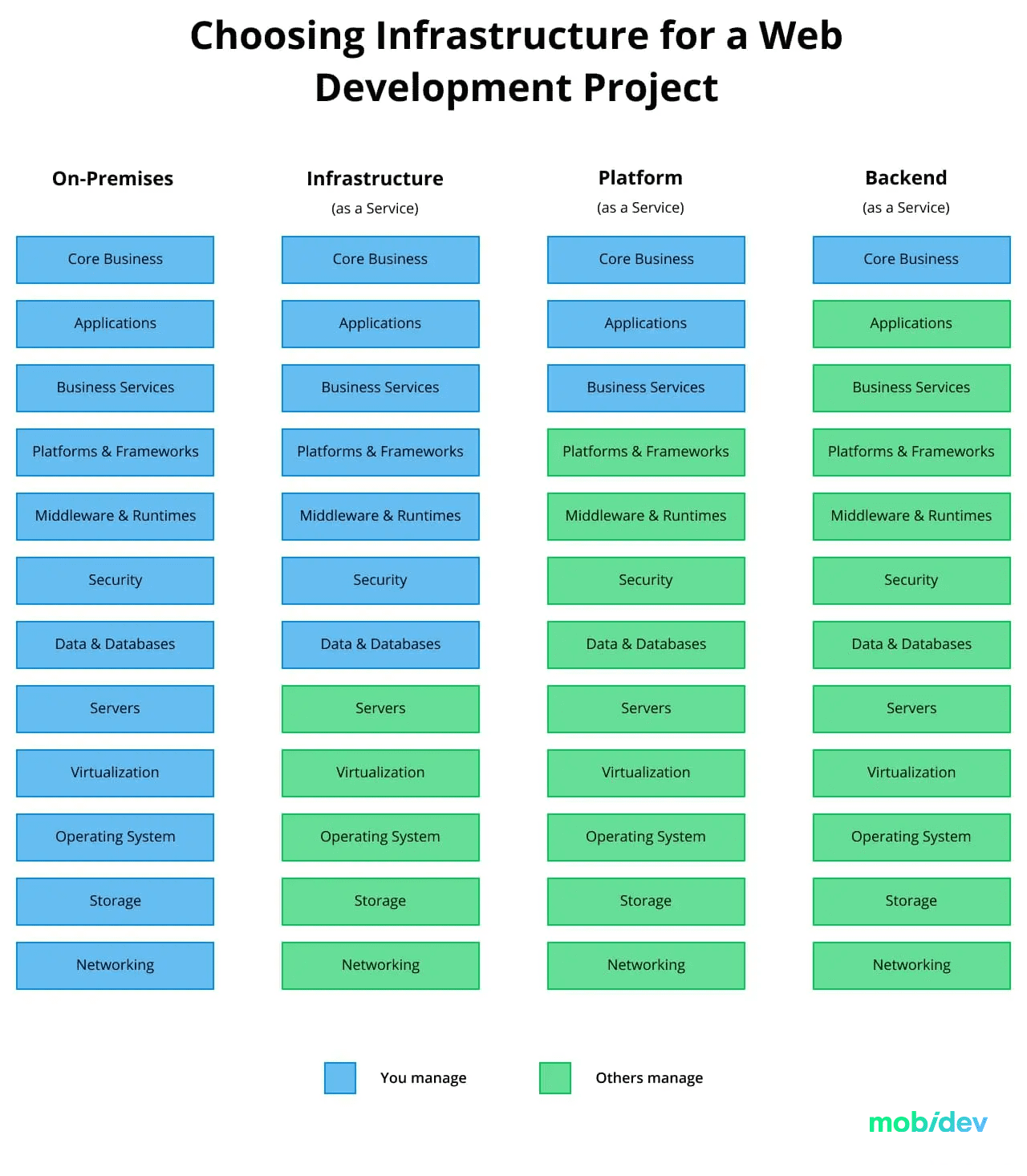
Choosing a Right Platform for Success
Teams can mock APIs and test API dependencies based on the established API definition. APIs and code can be reused on lots of various tasks.
Tools like SwaggerHub allow import of API meaning files, and with those files API tools such as API paperwork, SDKs, and mock APIs can be auto-generated. Automation significantly speeds up the development of APIs and applications. API first likewise makes it possible to add brand-new services and technologies to applications without having to re-architect the entire system.

Today, applications should not only be well designed however also to market within six months. Consumers of APIs are frequently developers, and designer experience (DX) can make or break the success of an API. API initially guarantees that developers have favorable experiences utilizing your APIs. Properly designed, well-documented, consistent APIs supply favorable designer experiences since it's simpler to recycle code and onboard designers, and it minimizes the finding out curve.
Creating for 2026: Patterns That Will Define the WebAPI first lowers the risk of failure by guaranteeing that APIs are trusted, consistent, and simple for designers to utilize. Now that you know some of the advantages of an API-first technique to product advancement, how should you tackle planning and executing an API-first technique? Here are simply a few things that should become part of your API-first plan.
Securing the Modern Platform Using 2026 Technologies
Figure out the kinds of APIs that should be constructed and which services need to be offered by means of APIs. Figure out and compose down the use cases for each API.
Stakeholders can then concur on interactions across the organization so that APIs stay consistent. The contract establishes a set of standards and finest practices for designing APIs. Make certain to explain and record all APIs. Guarantee that all APIs work the very same, from endpoint names and URLs to error codes and versioning.

Latest Posts
Why API-First Design Empowers Modern Enterprises
Best Strategies for Master Front-End Performance in 2026
Will Automation Replace Standard SEO Practices?